
How the shape of your bottom reflects your health
If you’re like most of us, you probably don’t think about your bottom (aka your glutes) as a health tracker – but new science suggests it’s high time we took it seriously. And yes, that’s both funny and fascinating
Recent research from the University of Westminster has brought an eyebrow-raising idea into the spotlight: the shape of your gluteus maximus muscle – the big muscle in your behind – can reflect your overall metabolic health. That’s right: your rear end might be telling you more about your health than your bathroom scales
The researchers used 3D MRI mapping, a technique that processes a series of MRI images to create a detailed 3D anatomical model, enabling improved visualisation. The 3D mapping revealed distinct, sex-specific patterns in the gluteus maximus that were associated with type 2 diabetes, suggesting that the shape—not the size—of the muscle may reflect underlying metabolic differences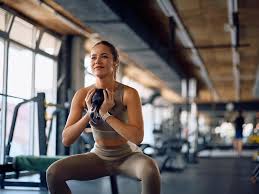
What exactly did the researchers find?
Scientists analysed more than 61,000 MRI scans of volunteers as part of the UK Biobank project. Instead of just measuring how big someone’s muscles were, they used advanced 3D shape mapping to see exactly how the gluteus maximus looked – from contour to curvature
Here’s what they found:
- People with higher fitness levels tended to have a more robust and well-defined gluteus maximus
- In contrast, ageing, frailty and long periods of sitting were associated with thinning of this muscle – especially in older adults
- Intriguingly, patterns linked to type 2 diabetes differed between men and women:
- Men with diabetes tended to show shrinkage in the gluteus maximus
- Women often showed a seemingly larger gluteus maximus, but the increase was due to fat infiltration within the muscle, not healthy muscle tissue
In other words, changes in the shape – not just size – of the gluteal muscles may offer early clues about metabolic shifts, frailty, and disease risk
So, why should older adults care?
We’re glad you asked!
As we get older, several things naturally start to happen:
- Muscle mass tends to decrease (a process called sarcopenia)
- Balance and stability can decline
- Insulin sensitivity often worsens
- Energy levels sometimes dip
All of these things influence – and are influenced by – the health of your gluteal muscles
Here’s how the shape of your bottom ties into bigger health themes:
 Your glutes help stabilise and move your whole body
Your gluteus maximus isn’t just a “butt cushion.” It’s one of the largest and most powerful muscles in your body. It helps you:
- Stand from a chair without wobbling
- Climb stairs without gripping the railing
- Walk without dragging your feet
- Maintain good posture
- Keep your lower back happy
If your glutes get weak or thin, that stability starts to slip – and that’s where falls, aches, and balance issues can begin, especially as we age
Your glutes are metabolism players
Muscle is where glucose (sugar) gets burned most effectively. The more healthy muscle you have – especially in big groups like your glutes – the better your body deals with blood sugar. This helps lower the risk of conditions like type 2 diabetes and metabolic slow-downs
That’s why researchers think the shape of the gluteus maximus – changes in contours and thickness – could act as an early warning signal that something metabolic might be shifting beneath the surface
Sitting is the silent shape shifter
Let’s be honest: many of us spend a lot of time sitting – whether it’s enjoying TV, reading, working, or travelling. But sitting too much signals your body not to use your glutes, which can lead to muscle thinning and fat infiltration over time. If your glutes haven’t been doing much lately, it’s not just about aesthetics – it’s about muscle health that supports everyday strength and resilience
Fitness shows up in your backside
One of the clearest patterns researchers noticed was that people with higher overall fitness – measured by vigorous physical activity and stronger grip strength – also had a healthier gluteus maximus shape. That’s an excellent takeaway: active, engaged muscles reflect active, engaged lifestyles, which in turn support healthier ageing
So what can you do about it?
Thankfully, there’s good news: you don’t need a gym membership or hours of workouts. You need regular, manageable movements that engage your glutes and keep you active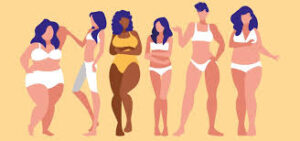
Here are simple, age-friendly ways to keep your bottom healthy and strong:
Move Often
- Take short walks throughout the day
- Stand up every 30 minutes if you’ve been sitting
- Use stairs instead of elevators when possible
Glute-Friendly Exercises
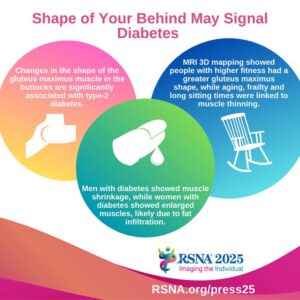
- Sit-to-stands: Stand up from a chair without using your hands
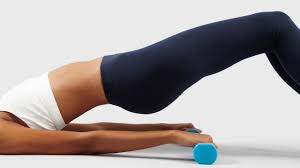
- Glute bridges: Lie on your back and lift your hips toward the ceiling
- Mini-lunge Step forward gently and bend your knee slightly
- Side steps with a band: strengthen your glutes, improve posture, and contribute to better metabolic health
Your bottom might seem like an odd place to look for health clues – but it’s also practical. These muscles support movement, balance, and metabolism – all critical areas for wellbeing as we age


Leave a reply
You must be logged in to post a comment.