

Following the cortisol curve: a smarter way to manage energy and stress
You’ve may have heard of cortisol as the ‘stress hormone.’ But that’s only half the story. Cortisol isn’t the enemy – it’s essential. It helps you wake up, stay alert, regulate energy, and respond to challenges
The real issue isn’t cortisol itself. It’s when your daily rhythm – the cortisol curve – gets out of sync
As we get older, for many of us, energy dips, poor sleep, and that familiar ‘wired but tired’ feeling can often be traced back to a disrupted cortisol pattern. The good news? You can nudge it back into shape fairly easily
NMTBP investigates
What is the cortisol curve?
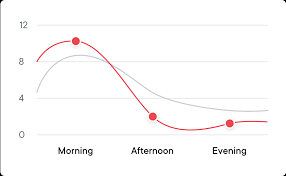
In a healthy rhythm, cortisol follows a predictable daily pattern:
- Morning: Peaks within 30–60 minutes of waking (this helps you feel alert)
- Midday: Gradually declines
- Evening: Drops to low levels (allowing your body to wind down and sleep)
Think of it as a natural wave. High when you need to be awake and active, low when you need to rest
Problems arise when this curve flattens or shifts:
- Too low in the morning → sluggish, slow to get going
- Too high at night → difficulty falling or staying asleep
Step one: anchor your morning
Your morning routine has an outsized impact on your entire day
The goal is to support that natural cortisol rise, not fight it
What helps:
- Get natural light early (ideally within 30–60 minutes of waking)
- Move your body (a short walk is enough)
- Eat a balanced breakfast (especially protein)
What to avoid:
- Reaching for your phone immediately
- Staying indoors in dim light
- Skipping movement altogether
Even 10 -15 minutes of daylight and gentle activity can set your internal clock for the day
Step two: manage the midday dip
It’s normal for energy to dip in the early afternoon. That’s part of the curve – not a failure
The mistake many people make is fighting it with caffeine or sugar, which can lead to a sharper crash later
Instead:
- Take a short walk
- Hydrate
- Have a light, balanced meal
- If needed, a brief nap (20 minutes or less)
 These approaches support your rhythm rather than override it
Step three: be careful with caffeine
Caffeine isn’t inherently bad – but timing matters
Drinking coffee:
- Too early (before your natural cortisol peak) can blunt your own wake-up response
- Too late (after mid-afternoon) can interfere with your evening wind-down
A good rule of thumb:
- First coffee: 60–90 minutes after waking
- Last coffee: before 2–3 pm
This allows your natural rhythm to do its job
Step four: protect your evening wind-down
If mornings set the tone, evenings determine your recovery
To allow cortisol to fall properly:
- Dim the lights in the evening
- Reduce screen exposure (especially bright, blue light)
- Create a simple wind-down routine
This could be:
- Reading
- Gentle stretching
- Listening to music or a podcast
Heavy meals, alcohol, or late-night stimulation can keep cortisol artificially elevated – making sleep harder and less restorative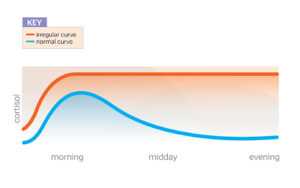
Step five: sleep consistency matters more than perfection
Sleep is where your cortisol rhythm resets
Irregular sleep – late nights followed by early mornings – can disrupt the curve over time
Aim for:
- A consistent bedtime and wake time (within reason)
- Enough sleep to feel rested (usually 7–8 hours for most people)
It doesn’t have to be perfect. But consistency is powerful
Where stress fits in
Chronic stress can push cortisol levels higher for longer than they should be
This doesn’t always feel dramatic. It can show up as:
- Low-level tension
- Difficulty switching off
- Mental fatigue
The solution isn’t eliminating stress – it’s creating regular release valves:
- Daily walks
- Breathing exercises
- Time outdoors
- Engaging hobbies
Even small, regular breaks can help keep your cortisol curve intact
Signs your curve may be off
You might recognise some of these:
- Struggling to get going in the morning
- Energy crashes mid-afternoon
- Feeling alert late at night
- Waking frequently or too early
These are not just annoyances – they’re clues
The bottom line
Following the cortisol curve isn’t about rigid routines or biohacking. It’s about aligning your daily habits with how your body is designed to work
- Light and movement in the morning
- Gentle support through the day
- A clear wind-down in the evening
Small adjustments, done consistently, can restore energy, improve sleep, and reduce that background sense of stress
Because when your internal rhythm works with you – not against you – everything feels just a little easier



Leave a reply
You must be logged in to post a comment.