

Turning your garden into a spa: how to create a sanctuary at home
There’s a particular kind of luxury that has nothing to do with five-star hotels or expensive memberships. It’s the quiet, private pleasure of stepping outside your back door and into your own sanctuary. In recent years, driven by lifestyle shifts and a growing focus on well-being, home spa gardens have moved from indulgent fantasy to realistic, achievable projects. And the best part? You don’t need acres of land or a celebrity budget to make it work
At its core, a garden spa is about creating a space that encourages you to slow down. The headline features – saunas, hot tubs, cold plunges – are important, but they only work if the environment around them feels intentional and calming. Think less ‘garden with a hot tub plonked in it’ and more ‘immersive retreat’
Start with the anchor: heat
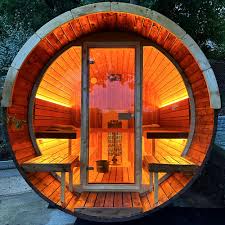
If you’re serious about the spa experience, a sauna is the centrepiece. Traditional Finnish-style saunas remain the gold standard: dry heat, wooden interiors, and temperatures typically between 70–100°C. Barrel saunas are particularly popular – they’re compact, visually appealing, and heat efficiently
Infrared saunas are another option. They operate at lower temperatures and are often cheaper to run, though purists will argue they lack the ritualistic intensity of a traditional sauna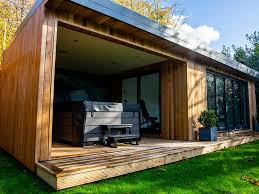
If you’re looking for providers, the UK market is now surprisingly rich:
- Wildhut and Lymore Huts specialise in high-end, design-led builds that feel like boutique retreats
- Kernow Springs offers fully custom Scandinavian-style installations
- For a balance of quality and cost, Eden Hut, Finnmark Sauna, and Kirami UK are strong mid-range options
- More budget-conscious? Look at Summerhouse24 or Polhus for DIY kits
Positioning matters. Tuck your sauna into a private corner, screened with planting or fencing, and ideally orient it to catch evening light. You want it to feel like a destination, not an afterthought
Add contrast: cold therapy
What transforms a sauna from pleasant to powerful is contrast. The Scandinavian cycle – heat, then cold, then rest – is increasingly backed by research showing benefits for circulation, inflammation, and mood
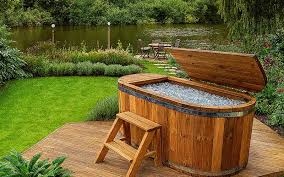 You don’t need a glacial lake. A cold plunge tub, ice bath barrel, or even a cleverly disguised stock tank will do the job. Many suppliers above – particularly Kirami UK and Eden Hut – offer integrated cold plunge solutions
The key is proximity. You want to move quickly from heat to cold without wandering across the garden in a towel. Group these elements together to create a natural flow
Water and warmth: the hot tub question
Hot tubs are often the gateway into garden spas. They’re social, easy to use, and instantly relaxing – but they can dominate a space if not handled carefully
If you’re including one, consider how it fits your aesthetic. Wood-fired hot tubs offer a more natural, off-grid feel compared to acrylic, LED-heavy models. Built-in or partially sunken tubs integrate better and feel less like an appliance dropped into the garden
Suppliers like Kirami UK and Finnmark Sauna are particularly strong here, often offering matching sauna–tub combinations
Design the atmosphere
This is where many projects fall down. The hardware is installed, but the space doesn’t quite feel like a spa
Start with materials. Natural textures – timber, stone, gravel – create a grounding effect. Decking works well for wet zones, while stepping stones or gravel paths guide movement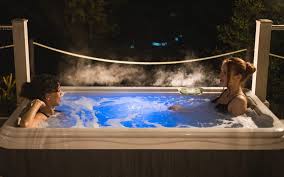 between areas.
Planting is your secret weapon. You don’t need tropical drama – restraint works better. Grasses, ferns, lavender, and evergreen shrubs create year-round softness and structure. A slight enclosure, through hedging or layered planting, adds a sense of retreat.
Lighting should be soft and layered. Avoid harsh overheads. Use low-level path lights, warm wall sconces, and subtle uplighting to create a gentle evening glow
Shelter and all-season use
Let’s be realistic: the British climate isn’t always cooperative. If you want year-round use, you’ll need some shelter
This could be a simple pergola with a retractable canopy, or something more substantial, such as a covered deck or garden room. Many of the kit suppliers, especially Summerhouse24 and Polhus, offer combined sauna cabins with changing rooms or covered terraces
Even small additions – a bench, robe hooks, towel storage – make a huge difference. The easier the space is to use, the more often you’ll use it
The ritual matters
What separates a garden spa from a collection of features is how you use it. Think in sequences: sauna → cold plunge → rest → repeat
Add small rituals – herbal tea, essential oils, a playlist – and the space becomes something you look forward to, not just something you own. Keep it simple. If it’s too complicated, it 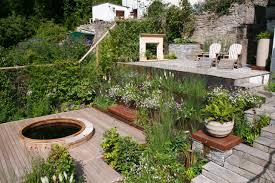 won’t become part of your routine
Cost and practicalities
You can spend anywhere from a few thousand pounds to well into five figures, depending on ambition.
- £3k–£8k: DIY sauna kits (e.g. Polhus, Summerhouse24)
- £5k–£15k: Mid-range installed sauna + plunge (e.g. Eden Hut, Finnmark Sauna)
- £15k–£30k+: Fully bespoke spa garden (e.g. Wildhut, Lymore Huts)
Don’t ignore the practical side: electrical supply, drainage, base preparation, and ongoing maintenance all matter. A well-designed space should be easy to clean, safe, and durable






Leave a reply
You must be logged in to post a comment.