

The Iran war: An energy crisis in slow motion?
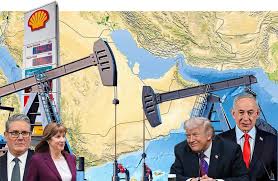
The instinctive expectation, whenever conflict flares in the Gulf, is that Britain will feel it quickly and painfully: petrol queues, soaring bills, a rerun of the 1970s. That hasn’t really happened this time – and the absence of immediate shock can feel almost suspicious. But there are solid reasons why the UK appears relatively insulated, at least for now. The more interesting question is whether this calm is temporary – less a sign of resilience than the opening phase of a slow-burn energy squeeze
To understand the muted impact, it helps to recall what made earlier crises so acute. During the 1973 oil crisis, Western economies were far more dependent on a narrow set of oil producers, and energy systems were less diversified. Today’s landscape is different. The UK no longer relies heavily on Gulf oil; instead, it draws from a mix of sources, including the North Sea, Norway, global LNG markets, and renewables. That diversification dampens the immediate transmission of geopolitical shocks
There’s also the structure of energy markets themselves. Oil is globally traded, but prices now reflect a broader, more flexible system. When disruptions occur, supply can be rerouted. The United States – once a major importer – is now a significant exporter thanks to shale production, while countries like Qatar continue to supply liquefied natural gas to multiple regions. This creates a kind of buffer: not immunity, but delay
Another reason the UK hasn’t felt a sharp jolt is that markets had already priced in a degree of geopolitical risk. Since the shock of the Russian invasion of Ukraine, energy traders, governments, and consumers have been operating in a more cautious, hedged environment. Storage levels are higher; supply chains have been stress-tested; policymakers are quicker to intervene. In other words, the system is already braced
But this is where the story becomes more complicated – and more concerning. The absence of a spike doesn’t mean the absence of pressure. Instead of a dramatic surge in prices, we may be witnessing something subtler: a ratcheting effect, where each new disruption adds incremental strain to an already tight system
One key vulnerability lies in liquefied natural gas (LNG). The UK, while not as dependent on gas imports as some European neighbours, still relies on global LNG markets to balance supply – especially during winter peaks. If Gulf tensions were to continue to threaten shipping routes, particularly through the Strait of Hormuz, the impact would likely be indirect but significant. LNG cargoes could be diverted, delayed, or repriced, nudging costs upward over time rather than overnight
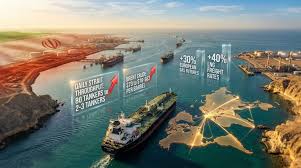 There’s also the issue of investment. Energy markets don’t just respond to current supply – they anticipate future supply. Prolonged instability in the Gulf will deter investment in new extraction projects or infrastructure, tightening supply expectations. At the same time, the transition to renewables – while essential – is uneven and still incomplete. The UK has made major strides in offshore wind, but intermittency and storage remain challenges. Gas still plays a crucial role as a ‘bridging’ fuel, and that dependence creates exposure.
This is why the idea of a ‘slow-motion energy crisis’ has traction. Instead of a single catalytic event, we may be looking at a sequence of smaller pressures: slightly higher wholesale prices, marginally tighter supply, cautious investment, and persistent geopolitical risk. Each factor alone is manageable; together, they can erode resilience
For households, this doesn’t necessarily translate into sudden bill shocks – especially with regulatory caps and government interventions – but it can mean that prices remain stubbornly elevated. The era of cheap energy, briefly glimpsed in the 2010s, may simply not return. For businesses, particularly energy-intensive industries, the effect can be more acute: reduced competitiveness, delayed investment, and, in some cases, relocation
There’s also a psychological dimension. Energy markets are influenced not just by physical supply and demand, but by expectations. If traders begin to see the Gulf as persistently unstable, a ‘risk premium’ becomes embedded in prices. That premium doesn’t disappear when headlines fade; it lingers, quietly shaping costs across the economy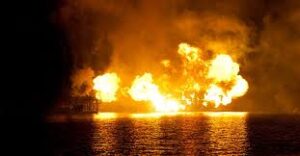
So why isn’t the Iran War affecting the UK more? Because the system has evolved: it’s more diversified, more flexible, and more prepared. But that same system is also more complex, and complexity can mask underlying fragility. The lack of immediate disruption shouldn’t be mistaken for long-term security
The more realistic outlook is not one of imminent crisis, but of sustained tension – a background hum of risk that keeps energy prices higher than they might otherwise be. In that sense, the UK may not face a dramatic energy shock, but it could still experience the economic equivalent of a tightening vice: gradual, persistent, and difficult to reverse
And there is the paradox. The very factors that prevent a sudden crisis may be the ones that allow a slower, more insidious one to take hold





Leave a reply
You must be logged in to post a comment.