

Ear health as you age: why it matters more than ever
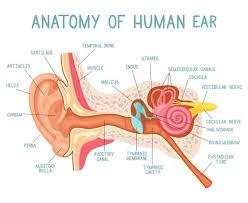
Hearing changes are often accepted as ‘just part of getting older.’ But declining ear health isn’t inevitable -and it’s certainly not something to ignore
After 50, our ears play a bigger role than most people realise. They help us stay connected in conversation, stay steady on our feet, remain confident in social situations, and stay safe in everyday life. When ear health slips, the effects can be subtle at first -but they can quickly affect independence, wellbeing, and quality of life
The good news? A little awareness and early care go a long way
Your ears do more than help you hear
The ears aren’t just about sound
Inside the ear are delicate systems responsible for:
- Hearing speech clearly
- Maintaining balance and coordination
- Helping you stay oriented when you move
As we age, these systems become more sensitive to damage from noise, circulation changes, infections, and natural wear. When something isn’t working properly, it may show up as hearing difficulty, dizziness, or a feeling of unsteadiness – not just ‘bad ears’
Healthy ears support confidence, mobility, and connection
The early signs many people miss
Changes in hearing rarely happen overnight. They creep in quietly
Common signs include:
- Speech sounding muffled or unclear
- Difficulty following conversations in busy places
- Asking people to repeat themselves more often
- Feeling tired or irritable after social situations
- Turning the TV or radio volume up -then up again
Because these changes are gradual, many people adapt without realising what they’re missing. Over time, this can lead to frustration, withdrawal, or avoiding social situations altogether
Hearing health and the bigger picture
Hearing loss doesn’t just affect the ears – it affects the brain
When hearing becomes harder:
- The brain works overtime to fill in gaps
- Conversations become mentally exhausting
- People may disengage without realising why
Untreated hearing difficulties are increasingly linked to:
- Social isolation
- Reduced confidence
- Low mood and anxiety
- Mental fatigue
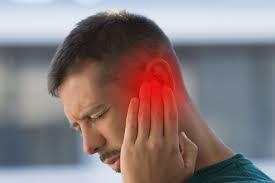 Protecting hearing as we age helps keep the mind active, communication clear, and relationships strong
Balance, dizziness, and falls: the ear connection
The inner ear plays a crucial role in balance
Age-related changes in this system can lead to:
- Dizziness or light-headedness
- Vertigo (a spinning sensation)
- Unsteadiness when walking
- Increased risk of falls
Falls are a major concern for over-50s, yet ear-related balance issues are often overlooked. Many people blame eyesight or ‘just ageing,’ without realising the ears may be involved
Addressing ear health early can help maintain stability, confidence, and independence
Noise damage still matters
Many people think noise damage only happens when you’re young
In reality, damage is cumulative
Sources include:
- Past or current exposure to loud music
- DIY tools and gardening equipment
- Traffic and workplace noise
- TVs or headphones played too loudly
Even now, protecting your ears matters. Hearing damage is permanent -but preventable
Simple rule: if you need to raise your voice to be heard, the environment is too loud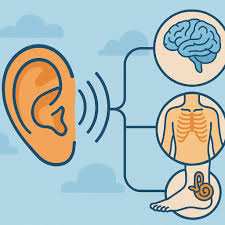
Ear care myths that can do harm
When it comes to ear hygiene, less is often more
Earwax is not dirt. It protects the ear canal and usually clears on its own.
What to avoid:
- Cotton buds (they push wax deeper)
- Hairpins, tissues, or fingers
- DIY wax removal remedies
- Ignoring persistent blockage or discomfort
What helps:
- Cleaning only the outer ear
- Drying ears gently after bathing
- Seeking professional help for blockages
One bad habit can cause long-term damage — especially to the eardrum
Why hearing checks matter
Many people check their eyesight regularly – but not their hearing. That’s a missed opportunity.
Routine hearing checks:
- Establish a baseline
- Identify early changes
- Prevent unnecessary decline
- Provide reassurance if everything is fine
Modern hearing support is discreet, effective, and far removed from outdated stereotypes. And early intervention often means simpler solutions
When to seek professional advice
Don’t ignore:
- Persistent hearing difficulty
- Ringing or buzzing in the ears
- Ear pain or discharge
- A blocked or full feeling
- Dizziness or balance problems
Early advice often prevents small issues from becoming bigger ones
Why sensible earwax care is important
Earwax is protective and usually clears itself naturally. However, after 50, it often becomes drier and builds up more easily, leading to more blockages
Wax buildup can cause:
- Gradual hearing loss
- A blocked or “full” feeling
- Ringing in the ears
- Dizziness or imbalance
Routine wax removal isn’t necessary for everyone — but regular wax checks can help if you’re prone to blockages or use hearing aids. What matters most is professional assessment.
DIY cleaning and cotton buds often make problems worse, while safe methods like microsuction can quickly restore hearing and comfort when needed
If your hearing changes suddenly, always check for wax first
Small steps, big difference
Looking after your ears doesn’t require a drastic change
It’s about:
- Listening at safe volumes
- Protecting ears in noisy environments
- Avoiding harmful cleaning habits
- Checking hearing regularly
- Acting early when something feels wrong
Healthy ears support connection, confidence, balance, and independence -all things that matter more, not less, after 50. Ear health isn’t about accepting decline
It’s about staying engaged, steady, and heard





Leave a reply
You must be logged in to post a comment.