
Blood pressure: when should you worry – and what you can do about it
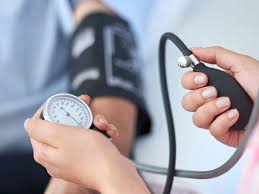
Blood pressure has become one of modern life’s background anxieties
You sit down at the GP surgery, the cuff tightens around your arm, and suddenly a set of numbers seems capable of determining whether you are healthy, unhealthy or somewhere in between
But what do those numbers actually mean?
And perhaps more importantly, what can you realistically do about them without immediately reaching for medication?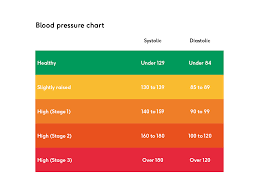
First things first: what is blood pressure?
Blood pressure is simply the force of blood pushing against the walls of your arteries.
It is measured using two numbers:
120/80, for example
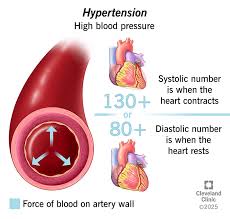
- The top number (systolic) measures pressure when the heart pumps
- The bottom number (diastolic) measures pressure when the heart relaxes
In general:
- Around 120/80 is considered ideal
- Above 140/90 is usually considered high
- Below 90/60 is generally considered low
But blood pressure is rarely as simple as ‘good’ or ‘bad’
Some people walk around happily at 95/60 for decades. Others feel awful at readings that technically fall within the normal range
Context matters
Why high blood pressure matters
The problem with high blood pressure is that it often produces no symptoms whatsoever
You can feel perfectly healthy while damage quietly accumulates over the years
That damage may eventually show up as:
- heart disease
- strokes
- kidney problems
- memory decline
- arterial damage
This is why hypertension (persistently high blood pressure) is often called the ‘silent killer’
 Occasionally, symptoms do appear, particularly when blood pressure becomes dangerously high
These can include:
- headaches
- dizziness
- blurred vision
- chest pain
- shortness of breath
A reading above 180/120 – especially with symptoms – needs urgent medical attention
Low blood pressure isn’t always good either
People often assume lower blood pressure is automatically healthierhttps://youtu.be/LGYZ89Ybl44?si=3yWPJM4qOILau4x5
Not necessarily
If pressure falls too low, the brain and organs may not receive enough blood flow
Symptoms can include:
- fatigue
- dizziness
- fainting
- brain fog
- falls
- weakness
In older adults, low blood pressure can sometimes become more dangerous than mildly elevated pressure because of the increased risk of collapsing or injuring yourself
The most powerful non-drug remedy? Fat loss
It may not be glamorous advice, but reducing body fat remains one of the most effective natural ways to lower blood pressure
Importantly, it is not simply about becoming lighter on the scales
The real issue is often visceral fat – the fat stored deep around the abdomen and internal organs. This type of fat is strongly linked to high blood pressure, inflammation, insulin resistance and cardiovascular disease
That’s why waist size can sometimes matter more than total body weight
Two people may weigh exactly the same, yet the person carrying more abdominal fat is generally at far greater risk of hypertension and metabolic problems
The encouraging part is that even modest fat loss can help significantly. Losing a few inches from the waist, improving fitness and building or preserving muscle mass may all lower blood pressure – even if your overall weight changes only modestly
This is also why resistance training can be so valuable. Improving body composition often matters more than simply dieting
In many cases, your goal should not be relentless weight loss, but becoming leaner, fitter and metabolically healthier
Salt: the hidden culprit
Most people consume far more salt than they realise
And it is usually not coming from the salt cellar
The biggest offenders are often:
- processed foods
- ready meals
- bread
- soups
- sauces
- crisps
- cured meats
Reducing salt intake is one of the simplest evidence-based ways to reduce blood pressure naturally
Some people are especially ‘salt sensitive’ and respond dramatically
Exercise really does work
This is not just generic lifestyle preaching
Frequent aerobic exercise can lower blood pressure almost as effectively as some medications
The keyword is frequent
You don’t need marathon training
The evidence strongly supports simple activities such as:
- brisk walking
- cycling
- swimming
- rowing
- gardening
- hill walking
Even 30 minutes a day can help
And importantly, exercise improves far more than just blood pressure
Sleep: The overlooked factor
Poor sleep is increasingly emerging as one of the biggest contributors to hypertension
Particularly dangerous is sleep apnoea
Warning signs include:
- loud snoring
- waking unrefreshed
- daytime exhaustion
- falling asleep easily in chairs
- morning headaches
Many people spend years treating high blood pressure without realising that poor sleep is sitting underneath it all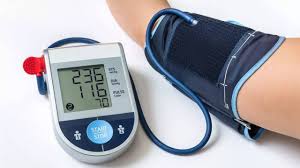
Alcohol, stress and modern life
Heavy alcohol intake raises blood pressure over time
So does chronic stress
Modern life keeps many people in a near-constant state of stimulation:
- phones
- emails
- news alerts
- financial worries
- poor sleep
- little downtime
While stress alone is rarely the sole cause of hypertension, it absolutely contributes
Simple interventions can help more than people expect:
- walking outdoors
- meditation
- breathing exercises
- yoga
- reducing doom-scrolling
- spending less time permanently ‘switched on’
What about supplements?
Some natural remedies do appear promising.
The evidence is mixed, but the following have shown some benefit:
- beetroot juice
- magnesium
- omega-3 fish oils
- garlic extract
- hibiscus tea
None is a miracle cure
But combined with lifestyle improvements, they may help
And if your blood pressure is too low?
If low blood pressure causes symptoms, the solutions are often surprisingly practical:
- drink more water
- stand up slowly
- avoid dehydration
- eat smaller meals
- consider compression socks
- increase strength training
Some people may benefit from slightly higher salt intake – though this should be discussed with a doctor first
The final point most people miss
One reading means very little
Stress, caffeine, rushing to an appointment, or simply being anxious can temporarily elevate blood pressure
Home monitoring over several days is far more useful
Ultimately, blood pressure is less about chasing a perfect number and more about long-term cardiovascular health.
And the encouraging part is this:
Small, boring, sustainable habits often work far better than dramatic short-lived health kicks





Leave a reply
You must be logged in to post a comment.