

PFAS: The ‘Forever Chemicals’ in your life – and how to reduce your exposure
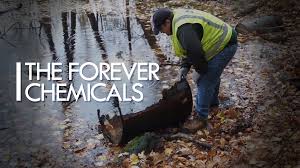
They’re in non-stick frying pans, waterproof jackets, takeaway packaging, stain-resistant carpets, cosmetics and, increasingly, the headlines. PFAS – short for per- and polyfluoroalkyl substances – are often called ‘forever chemicals’ because they break down extremely slowly in the environment and accumulate in the human body over time
That sounds alarming – and in some respects, it should be. But before you throw out every frying pan and panic over your raincoat, it’s worth understanding what PFAS actually are, where they’re found, what the science says about health risks, and – crucially – what practical steps you can take to minimise exposure without becoming obsessive
What exactly are PFAS?
PFAS are a group of more than 10,000 synthetic chemicals developed continually since the 1940s. Their superpower is resistance: they repel water, grease, heat and stains exceptionally well. That made them highly attractive to manufacturers
They’ve been used in products such as:
- Non-stick cookware (such as older Tefal pans made with PTFE coatings)
- Waterproof outdoor clothing
- Fast-food wrappers and microwave popcorn bags
- Stain-resistant sofas and carpets
- Certain cosmetics
- Firefighting foams
- Some dental floss products
- Industrial manufacturing
The issue? PFAS don’t easily degrade in soil, water or the body. They can persist for years – hence the ‘forever’ label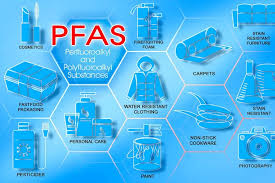
Why are people worried?
Research has linked higher PFAS exposure to a range of potential health concerns, although the degree of risk often depends on exposure levels
Studies have associated certain PFAS compounds with:
- Elevated cholesterol
- Thyroid disruption
- Reduced immune response
- Hormonal changes
- Liver issues
- Lower fertility
- Increased risk of certain cancers, including kidney and testicular cancer
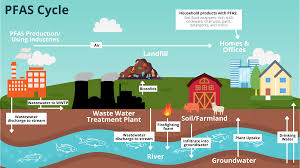
One of the biggest concerns is drinking water contamination. In parts of the US and Europe, PFAS have been detected in water supplies near industrial sites, airports and military bases where firefighting foam was heavily used
In the UK, testing is increasing, and regulators such as the Environment Agency and UK Health Security Agency are paying closer attention
That said, exposure is rarely from one dramatic source. For most people, it’s a steady drip from multiple everyday products
The non-stick pan panic: should you bin yours?
This is where nuance matters.
Modern non-stick cookware made with PTFE (commonly associated with Tefal) does not automatically equal dangerous PFAS exposure when used correctly. Many manufacturers phased out PFOA – one of the most concerning PFAS chemicals – years ago
The bigger risks arise when:
- Pans are scratched or damaged
- They’re overheated to extreme temperatures
- You continue using heavily worn cookware
If your pan is flaking, scratched, or clearly past its best, replace it. Alternatives include:
- Stainless steel
- Cast iron
- Ceramic-coated cookware
How to reduce your PFAS exposure
You can’t eliminate PFAS entirely – they’re too widespread – but you can reduce your exposure significantly.
- Be selective with cookware
Replace old, damaged non-stick pans. You don’t need to throw away newer, well-maintained pans immediately, but avoid overheating them
- Filter your drinking water
Activated carbon filters can help reduce certain contaminants, but reverse osmosis systems tend to be more effective at removing PFAS
Popular UK brands include Brita and Berkey, though effectiveness varies by model
- Cut back on heavily packaged fast food
Grease-resistant wrappers and takeaway containers may contain PFAS coatings. Cooking fresh food at home reduces both PFAS exposure and the use of excess ultra-processed ingredients
- Rethink stain-proof and waterproof treatments
Do you really need a sofa marketed as ‘stain resistant’? Or endless waterproof sprays for trainers and jackets?
Brands such as Patagonia and Fjällräven have increasingly moved toward PFAS-free alternatives
- Check cosmetics
Some long-wear foundations, mascaras and waterproof makeup products have historically contained PFAS compounds
- Vacuum regularly
PFAS can accumulate in household dust. A vacuum with a HEPA filter may help reduce indoor exposure
 Can you ‘detox’ PFAS from your body?
This is where wellness marketing often gets ahead of science.
There is currently no scientifically proven detox, supplement, cleanse or juice fast that removes PFAS from your body
Be sceptical of anyone selling expensive ‘detox protocols’
Your liver and kidneys already do the hard work of processing toxins. The better strategy is reducing ongoing exposure while supporting general health through:
- Exercise
- High-fibre diets
- Good sleep
- Maintaining a healthy weight
- Not smoking
The bottom line
PFAS are a legitimate environmental health concern – but not a reason for panic
Think of it like microplastics or air pollution: focus on reducing the exposures you can control rather than chasing impossible purity
Replace battered non-stick pans. Filter your water if appropriate. Eat less packaged food. Be cautious with heavily treated consumer products
Small, sensible changes are far more effective than fear-driven overhauls. And as regulation catches up, many manufacturers are already being pushed toward safer alternatives





Leave a reply
You must be logged in to post a comment.