

Surprising Superfoods: Beetroot
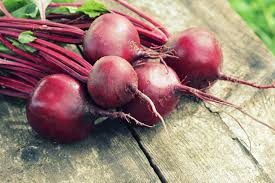
When people think of ‘superfoods,’ they often imagine exotic imports or expensive powders. Yet one of the most powerful nutritional allies has been sitting quietly on British plates for generations: beetroot. Earthy, vibrant, and remarkably versatile, beetroot is not just a colourful addition to salads – it’s one of the few everyday foods with strong clinical evidence behind its health benefits
What makes beetroot especially compelling is that its reputation is not built on trend or folklore, but on a growing body of scientific research. While not every claim holds up equally well, several key benefits are robustly supported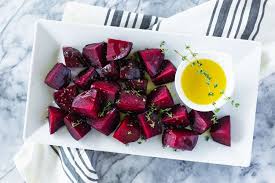
A nutritional profile that punches above its weight
Beetroot is rich in folate (vitamin B9), potassium, and fibre – nutrients that support everything from cell repair to digestive health. But its real power lies in two unique compounds:
- Dietary nitrates, which the body converts into nitric oxide
- Betalains, antioxidant pigments responsible for its deep red colour
These compounds underpin most of beetroot’s health effects – and, crucially, have been studied extensively in clinical settings
Heart health: a rare food with strong clinical evidence
One of beetroot’s most impressive – and well-supported – benefits is its impact on blood pressure
Multiple randomised controlled trials and meta-analyses have shown that beetroot juice can significantly reduce blood pressure, often within hours of consumption. On average, studies report reductions of around 4–5 mmHg in systolic blood pressure – a modest but clinically meaningful effect
The mechanism is clear: dietary nitrates are converted into nitric oxide, which relaxes and widens blood vessels, improving circulation
In some trials, regular consumption of beetroot juice has even brought participants’ blood pressure back into the normal range. While it’s not a substitute for medication where needed, it represents a rare example of a food-based intervention with consistent, measurable cardiovascular effects
For older adults, in particular, this is highly relevant. Managing blood pressure is one of the most important factors in reducing the risk of heart disease and stroke – and beetroot offers a simple, natural way to contribute to that goal
Boosting energy and exercise performance
Beetroot’s benefits extend beyond heart health into physical performance, where the evidence is also strong
Because nitric oxide improves blood flow and oxygen delivery, muscles can work more efficiently. Studies show that after consuming beetroot juice, the body requires less oxygen to perform the same level of exercise, effectively delaying fatigue
This is why beetroot has become a staple in sports science and is widely used by endurance athletes.
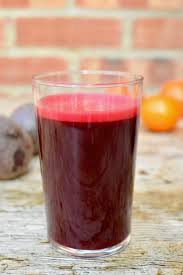 Importantly, these benefits are not limited to elite performance. For everyday activity – whether walking, golfing, or exercising at the gym – beetroot may help you go a little further with less effort. Research suggests that consuming beetroot juice 2–3 hours before activity yields the best results.
Brain health: promising but still emerging
The same mechanism that supports heart health – improved blood flow – has led researchers to explore beetroot’s potential role in cognitive function
Some studies have shown that nitrate-rich foods, such as beetroot, can increase blood flow to brain regions associated with decision-making and executive function. This has obvious implications for ageing populations, where reduced cerebral blood flow is linked to cognitive decline
However, the evidence here is still developing. Most studies are relatively small and short-term, and results are not yet as consistent as those for blood pressure
So while beetroot may form part of a brain-healthy diet, it’s best seen as promising rather than proven in this area
Anti-inflammatory and antioxidant effects
Beetroot’s betalains are powerful antioxidants, and laboratory and human studies suggest they can help reduce inflammation and oxidative stress – two processes linked to chronic disease and ageing
This is one area where the biological evidence is strong, even if long-term clinical outcomes are still being researched. In practical terms, including antioxidant-rich foods like beetroot in your diet contributes to overall health resilience rather than delivering a single dramatic effect
A note on ‘detox’ claims
Beetroot is often marketed as a detoxifying food, and it’s important to be clear about the science
There is some evidence that compounds in beetroot support liver function and help reduce oxidative stress. However, the idea that beetroot can ‘detox’ the body in a dramatic or transformative way is NOT supported by strong clinical evidence
The liver already performs detoxification extremely effectively. Beetroot may support this process, but it doesn’t replace it
A more accurate way to think about beetroot is as a steady supporter of normal physiological function, rather than a quick-fix cleanse
Easy ways to add beetroot to your diet
One of beetroot’s greatest strengths is how easy it is to incorporate into everyday meals:
- Roasted: Enhances its natural sweetness – ideal with olive oil and herbs
- Juiced: The most concentrated way to obtain nitrates
- Grated raw: Adds crunch and colour to salads
- Blended: Works well in smoothies with berries or yoghurt
- Pickled: A traditional and convenient option
If you’re new to beetroot, pairing it with flavours like goat’s cheese, walnuts, or citrus can soften its earthy taste
Practical considerations
Beetroot is safe for most people, but there are a few minor points to note:
- It can cause urine or stools to turn pink or red (a harmless condition known as beeturia)
- It’s relatively high in oxalates, so those prone to kidney stones should moderate their intake
- Its blood-pressure-lowering effect may be additive if you are on medication
As always, moderation is key
A Superfood that lives up to the name
Beetroot may lack the glamour of trendier superfoods, but it has something far more valuable: credible scientific backing
- Its ability to lower blood pressure is well established
- Its benefits for exercise performance are strongly supported
- Its effects on brain health and inflammation are promising, but still emerging
In a world full of exaggerated health claims, beetroot stands out as a rare example of a simple, affordable food that genuinely delivers measurable benefits
Sometimes, the most powerful additions to our diet are not the most fashionable – but the ones that have been quietly working all along




Leave a reply
You must be logged in to post a comment.