

The magic of pickling and fermenting
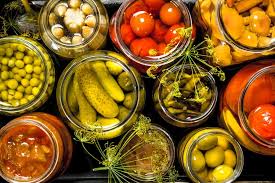
Open your fridge. Spot the lonely carrot. The half-head of cabbage. The cucumber edging toward “use me or lose me”
Now imagine this instead: jewel-bright jars lined up like stained-glass windows. Carrots blushing in chilli brine. Cabbage transformed into tangy sauerkraut. Cucumbers reborn as crunchy, garlicky pickles
Pickling and fermenting aren’t foodie fads. They’re ancient kitchen superpowers. And in a world of rising food costs, ultra-processed overload and a renewed interest in gut health, they make more sense than ever
NMTBP investigates
First, the difference
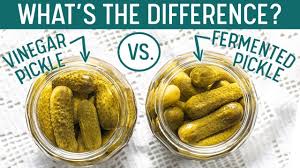
Pickling uses vinegar to preserve vegetables. It’s quick. You can be eating them tomorrow
Fermenting uses salt and time. Natural bacteria transform vegetables into tangy, probiotic-rich foods like:
- Sauerkraut
- Kimchi
- Curtido
No vinegar needed. Just patience
Both methods are simple. Neither requires fancy equipment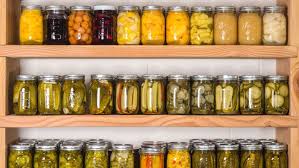
Why they matter more as we age
Gut health becomes more important
As we get older, digestion can change. Slower transit. More sensitivity. Sometimes more bloating
Fermented vegetables contain beneficial bacteria that can help support the gut microbiome – the community of microbes linked to digestion, immunity and even mood
Unlike probiotic pills, fermented vegetables also provide fibre. That combination is powerful
A tablespoon or two alongside meals is plenty
No extremes required
Appetite changes – flavour becomes vital
Taste buds can dull slightly with age. Acid and salt wake them up
A forkful of sauerkraut can brighten sausages. Pickled onions can transform a simple sandwich. A spoon of kimchi can make eggs feel interesting again
Ferments bring sharpness and contrast – especially helpful if appetite isn’t what it once was
Food waste costs more than it used to
Let’s be honest – groceries aren’t getting cheaper.
That half cabbage? The carrots going soft? The cucumbers on the turn?
Pickle them. Ferment them. Extend their life by weeks – sometimes months
It’s thrifty. Sensible. Deeply satisfying
It’s gentle, rewarding kitchen therapy
There’s something calming about slicing vegetables. Massaging salt into cabbage. Packing jars carefully
It’s hands-on without being physically demanding. Creative without being complicated. Productive without being rushed
And in a stage of life where time feels different – slower, perhaps – fermentation fits beautifully
You start something today. You’ll enjoy it next week
The no-fuss practicalities
You don’t need:
- Expensive kits
- Special crocks
- Complicated recipes
You do need:
- Fresh vegetables
- Non-iodised salt (for fermenting)
- Vinegar (for pickling)
- Clean jars
- Water
 That’s it
Easy starting point #1: quick-pickled onions
Slice red onions. Heat equal parts vinegar and water with a spoonful of sugar and salt. Pour over onions in a jar. Refrigerate
They’re ready tomorrow
They last weeks
They’re perfect with salads, cheese, and grilled meats
Easy starting point #2: classic sauerkraut
Shred cabbage. Weigh it. Add 2% salt (20g per 1kg cabbage). Use your hands to squeeze, scrunch and knead the cabbage until juices release. Pack tightly into a jar. Keep submerged in the juices. Leave at room temperature 5–7 days
Taste daily after day 5. When pleasantly sour, refrigerate
That’s it
Safety
Many people worry about fermentation safety
Here’s the reassuring truth:
Salt and acidity make the environment hostile to harmful bacteria. If vegetables stay submerged, fermentation is remarkably safe
Discard if you see:
- Fuzzy mould
- A truly rotten smell
A thin white film on top? Usually harmless yeast. Skim it off
Trust your senses
Portion size matters
You don’t need large amounts
Start with:
- 1 tablespoon per meal
- A forkful on the side
Ferments are condiments, not main courses
Especially if you take blood pressure medication, keep salt intake in mind. Moderation is key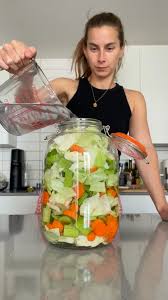
The bigger benefits
Pickling and fermenting:
- Reduces reliance on ultra-processed foods
- Adds diversity to your diet
- Encourages seasonal eating
- Saves money
- Supports digestion
- Creates routine and rhythm
And perhaps most importantly, they reconnect you to food preparation in a way that feels grounded
Not rushed. Not flashy. Just practical
A quiet pleasure
There is deep satisfaction in opening the fridge and seeing jars you made yourself.
You didn’t just buy flavour. You created it
You didn’t just prevent waste. You extended usefulness
You didn’t just follow a trend. You revived a skill



Leave a reply
You must be logged in to post a comment.