

The East African diet: the next big thing in healthy eating?
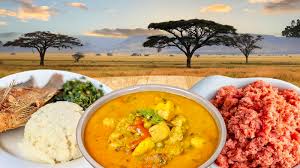
For years, the Mediterranean Diet has dominated conversations about healthy eating. Rich in olive oil, vegetables, legumes, fish, and whole grains, it has earned its reputation. But increasingly, nutritionists, food historians, and global health researchers are turning attention elsewhere – toward the traditional diets of East Africa
Could the East African diet be the next big thing?
There’s a strong case that it might be
The phrase ‘East African diet’ covers diverse food traditions across countries such as Kenya, Tanzania, Uganda, Ethiopia and Rwanda, but many traditional eating patterns share common features: high fibre, minimally processed foods, abundant plant diversity, fermented foods, modest meat consumption, and nutrient-dense staples. Sound familiar? Many of the same principles made its Mediterranean counterpart famous
But East African diets may offer some advantages of their own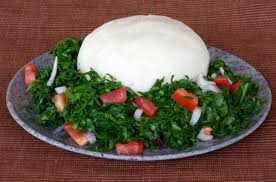
A diet built on whole foods
Traditional East African meals often centre on staples such as millet, sorghum, teff, beans, lentils, cassava, sweet potatoes, green leafy vegetables, and plantains
Take Injera, the fermented teff flatbread central to Ethiopian cuisine. Teff is naturally gluten-free, high in iron, rich in resistant starch, and has a relatively low glycaemic impact. Or consider ugali, often made from maize or millet, paired with sukuma wiki (collard greens), beans, or fish
Unlike modern Western diets dominated by ultra-processed foods, traditional East African eating patterns rely heavily on foods in their natural state
That matters
Research consistently links minimally processed diets with lower rates of obesity, metabolic disease, and chronic inflammation
Fermented foods for gut health
Another reason the East African diet is attracting attention is its long tradition of fermentation
Fermented foods such as injera, sour porridges, fermented milk, and region-specific preparations may support the gut microbiome – the vast ecosystem of microbes now linked to immunity, mood, metabolism, and healthy ageing
The Mediterranean diet gets praise for supporting gut diversity, but East African diets offer a similarly rich – perhaps even underappreciated – fermentation heritage
Naturally high fibre – without trying
Many people struggle to reach their recommended daily fibre intake
Traditional East African diets often exceed it naturally
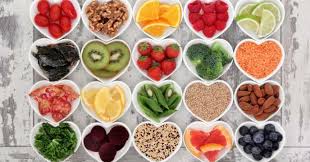
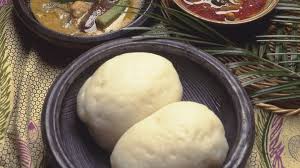 Beans, lentils, indigenous greens, whole grains, and tubers provide soluble and insoluble fibre, supporting digestion, cholesterol control, blood sugar stability, and satiety
In some traditional rural settings, daily fibre intake has historically been far higher than what many people consume in modern industrialised diets
That’s not a trend. That’s a foundation
Plant-heavy, but not dogmatic
The East African pattern tends to be plant-heavy rather than strictly plant-based
Fish features in lake regions. Meat is often eaten sparingly or reserved for special occasions. Legumes frequently provide everyday protein
That naturally moderate approach may be one reason the diet is both healthy and sustainable
There’s less ideological rigidity and more food culture
And food cultures tend to endure longer than food fads
Rich in food diversity
One overlooked strength of traditional East African eating is biodiversity
Its diets draw from a wider range of grains, greens, legumes and indigenous crops than modern Western eating patterns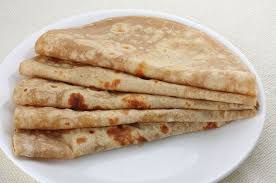
Millet. Sorghum. Amaranth leaves. Cowpeas. Teff. Cassava leaves
This diversity may support broader nutrient intake and healthier gut ecology
Ironically, some of these ‘ancient’ foods may be better suited to modern health challenges than many modern convenience foods
Why it could be ‘the next big thing’
Part of the appeal is novelty, of course. Food culture is always on the lookout for the next discovery
But the deeper reason is this: the East African diet aligns remarkably well with what nutrition science increasingly supports
High fibre
Low ultra-processing
Fermented foods
Plant diversity
Moderate animal foods
Low added sugar
Strong cultural traditions around shared meals
That is not a marketing invention. It is a coherent dietary pattern
It also arrives at a moment when many people are looking beyond Eurocentric wellness models and recognising that healthy eating traditions exist across the world
How can I incorporate the East African diet into my own?
Traditional East African diets offer plenty of meals and ingredients that can be incorporated easily into Western eating habits without requiring a complete culinary overhaul. Breakfast might include a warm millet or Teff porridge topped with berries, nuts and yoghurt instead of sugary cereals. Lunch could be inspired by Ethiopia’s lentil-based stews such as misir wat, served with brown rice, wholegrain wraps or, if you can find it, Injera. A simple weeknight dinner might borrow from Kenya or Tanzania with grilled fish, beans, sautéed greens like sukuma wiki (similar to collard greens or kale), and roasted sweet potatoes. Plantains can be swapped in for standard potatoes, while chickpeas, black-eyed peas and lentils can replace some meat in soups and stews. Even fermented foods central to many East 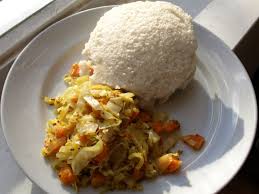 African diets can be replicated in yoghurt, kefir, sauerkraut, or sourdough if homemade injera feels ambitious. The broader lesson is simple: more legumes, more whole grains, more greens, less ultra-processed food – and a willingness to borrow from a food culture that has quietly been getting many things right for generations
A great starting point is Bibi’s Kitchen
It covers recipes and stories from grandmothers across eight countries bordering the Indian Ocean, including Somalia, Kenya, Tanzania, Eritrea, Mozambique, Madagascar, Comoros and South Africa. It’s less “healthy eating manual” and more cultural cookbook – which is exactly why it works. You get recipes for lentil stews, coconut rice, chapatis, bean dishes, vegetable curries and spice blends, alongside oral histories and family stories. It’s widely regarded as the modern gateway book for East African cooking
A word of caution
There’s a risk in turning any traditional cuisine into a wellness trend
The Mediterranean diet has sometimes been reduced to little more than olive oil and grilled fish, stripping away its cultural context
The same should not happen here
The East African diet is not a new superfood hack. It is a set of living food traditions
And, as always, no diet is magical. Health depends on the whole pattern – sleep, movement, stress, and overall lifestyle still matter
NMTBP’s verdict
Is the East African diet the next Mediterranean diet?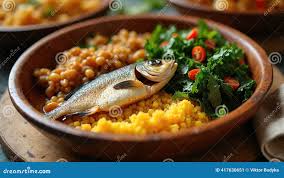
Possibly
It may offer something even more interesting: not a replacement, but another powerful example that traditional, minimally processed, plant-rich food cultures often hold enduring wisdom
In a world crowded with nutritional noise, that may be exactly what makes it worth paying attention to
So the next big thing, perhaps, is not something new at all.-
It may be something ancient, resilient, and East African




Leave a reply
You must be logged in to post a comment.