

Myths about Diabetes: separating fact from fiction

Diabetes affects hundreds of millions of people around the world, yet misinformation about the condition is everywhere. From social media “cures” to old-fashioned misunderstandings about sugar, these myths can make it harder for people to manage their health — or even recognise when they might be at risk. As World Diabetes Day approaches, NMTBP clears up some of the biggest myths about diabetes with facts backed by medical experts and organisations like the World Health Organisation (WHO), the NHS, and Diabetes UK
Eating too much sugar causes diabetes
This is the number-one myth that just won’t go away
The truth:
Eating sugar doesn’t directly cause diabetes. Type 1 diabetes is an autoimmune condition, while type 2 diabetes happens when the body becomes resistant to insulin or can’t produce enough of it. That said, a diet high in sugary foods and drinks can contribute to weight gain, and being overweight increases the risk of developing type 2 diabetes. The key is moderation
People with diabetes can’t eat carbs
Carbohydrates often get a bad reputation, especially for people with diabetes
The truth:
Carbs aren’t the enemy – but choosing the right ones matters. Whole grains, fruits, vegetables, and legumes release glucose more slowly than refined carbs like white bread or soda.
People with diabetes can still enjoy carbs as part of a balanced meal plan that fits their lifestyle, medication, and activity level
Type 2 diabetes is mild
Some people call type 2 diabetes the ‘milder’ form – but that’s dangerously misleading
The truth:
There’s nothing mild about diabetes. Both type 1 and type 2 can cause serious long-term complications like heart disease, nerve damage, kidney problems, and vision loss if not managed properly. The good news? With healthy habits, medication, and regular check-ups, many people live long, active lives
Taking Insulin means you’ve failed
It’s common to hear that starting insulin means your diabetes has ‘become worse’
The truth:
Type 2 diabetes is progressive – over time, the pancreas can stop producing enough insulin. That’s why insulin therapy can become necessary, even if you’ve been managing well for years. Taking insulin isn’t a failure; it’s a smart, effective way to protect your health
Only overweight people get diabetes
This myth fuels unnecessary shame and misunderstanding
The truth:
Being overweight can increase your risk for type 2 diabetes, but it’s not the only factor. Genetics, age, ethnicity, and family history also play major roles. And remember – type 1 diabetes has nothing to do with body weight at all
Exercise is dangerous for someone with diabetes
Some people worry that working out could cause their blood sugar to drop too low
The truth:
Exercise is one of the best things you can do for your body if you have diabetes. It improves how your body uses insulin, lowers blood sugar, and supports heart health. If you’re on insulin or medication that affects blood sugar, check with your healthcare team about how to balance snacks, timing, and doses before workouts
You can ‘cure’ diabetes naturally
The internet is full of claims that certain supplements or diets can ‘reverse’ diabetes
The truth:
There is no cure for diabetes. However, type 2 diabetes can sometimes go into remission with major lifestyle changes and sustained weight loss – meaning blood sugar levels return to normal without medication. But remission isn’t the same as being cured, and it requires ongoing care and monitoring. Be cautious of anyone selling miracle fixes – they’re always too good to be true
 People with diabetes can’t live normal lives
This is one of the most harmful myths of all
The truth:
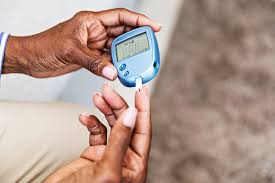
Thanks to modern treatments – like continuous glucose monitors (CGMs), insulin pumps, and new medications – people with diabetes can lead active, fulfilling lives. Education, support, and awareness are key
Knowledge is power. By debunking these common myths, we can reduce stigma and help more people take control of their health. If you or someone you know has diabetes, don’t rely on social media posts or hearsay — turn to trusted sources like your doctor, a certified diabetes educator, or reputable organisations such as Diabetes UK or the NHS
Living with diabetes isn’t about restriction – it’s about balance, awareness, and empowerment


Leave a reply
You must be logged in to post a comment.