

Five fruits to eat for better gut health – and why they work
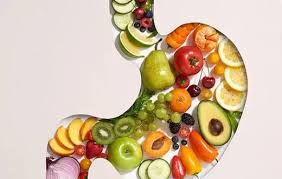
Gut health has moved swiftly from buzzword to genuine cornerstone of wellbeing – especially as we get older. A healthy gut supports digestion, immune function, and even aspects of mood and cognition. And while probiotics often steal the spotlight, it’s what you feed your gut bacteria that matters most
That’s where fruit comes in. The right fruits provide fibre and natural compounds that help beneficial bacteria thrive
NMTBP discusses five of the best to include in your diet on a regular basis
Apples – the everyday gut booster
An apple a day is cliché – but for gut health, it’s surprisingly accurate
Apples are rich in pectin, a type of soluble fibre that acts as a prebiotic. This means it feeds beneficial gut bacteria, helping them produce short-chain fatty acids that support gut lining health
Practical tip:
Eat the skin. That’s where much of the fibre sits. A sliced apple with a handful of nuts makes a simple, effective daily habit
Bananas – gentle and effective
Bananas are one of the most gut-friendly fruits, particularly if your digestion is a little sensitive
They contain resistant starch (especially when slightly under-ripe), which feeds good bacteria and supports a balanced microbiome. They’re also easy to digest and can help regulate bowel movements
Practical tip:
- Slightly green bananas = more prebiotic benefit
- Fully ripe bananas = easier on digestion
Both have their place
Berries – small but powerful
Blueberries, strawberries, raspberries – take your pick
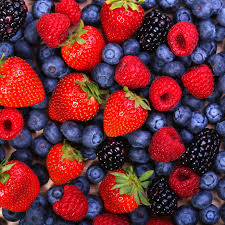 Berries are packed with polyphenols, plant compounds that beneficial gut bacteria love. They also contain fibre and have anti-inflammatory properties, which can help support overall gut health
Practical tip:
A handful a day is enough. Add them to yoghurt, porridge, or just eat them fresh. Frozen berries work just as well and are often more convenient
Kiwi – the digestion helper
Kiwi is one of the most underrated fruits for gut health
It contains both soluble and insoluble fibre, plus an enzyme called actinidin, which helps break down proteins and supports digestion. Studies have shown kiwi can help with constipation and gut motility, particularly in older adults
Practical tip:
One or two kiwis a day can make a noticeable difference. Some people even eat the skin (it’s safe), though that’s optional
Pomegranate – feeding the good bacteria
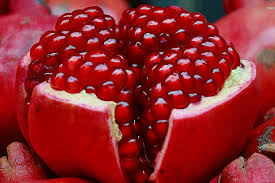
Pomegranate seeds are rich in polyphenols, particularly compounds that gut bacteria convert into substances linked with reduced inflammation and improved gut function
They’re less about fibre and more about supporting the right balance of bacteria
 Practical tip:
Sprinkle seeds over salads or yoghurt. They add both flavour and texture, making healthy eating easier to stick to
A simple way to use this
You don’t need to overhaul your diet. Just aim for variety and consistency
For example:
- Apple mid-morning
- Berries with breakfast
- Banana after a walk or exercise
- Kiwi in the evening
- Pomegranate a few times a week
That alone would significantly improve your fibre intake and support your gut.
A few important pointers
- Go gradually: Increasing fibre too quickly can cause bloating
- Hydrate: Fibre works best with enough fluid
- Consistency beats intensity: Small daily habits matter more than occasional bursts
Gut health isn’t about one “superfood.” It’s about feeding your gut bacteria regularly and well
These five fruits are simple, accessible, and effective. No fads, no extremes – just small, practical choices that support your system over time
And like most things in health, the real benefit comes not from knowing – but from doing



Leave a reply
You must be logged in to post a comment.