Exercising on an empty stomach: is fasted cardio or weights right for you?
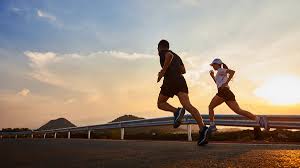
If you’ve ever rolled out of bed, pulled on your trainers, and wondered whether you really need breakfast before exercising, you’re not alone. As we get older, we tend to think more carefully about how exercise affects our energy, joints, sleep, and overall well-being, not just performance or appearance
Exercising on an empty stomach, often called fasted exercise, is popular with early risers and people short on time. But is it actually a good idea, especially as we age? And does it matter whether you’re doing cardio or lifting weights?
Why do some experts recommend fasted exercise?
You may have heard fitness coaches, doctors, or health writers talk about the benefits of exercising before breakfast. The idea comes from how the body uses energy. When you wake up in the morning, your body has usually been without food for 8–12 hours. During that time, insulin levels drop, and stored carbohydrates begin to run low. Because of this, some experts believe exercising in this state encourages the body to rely more on stored fat for fuel
Supporters of fasted exercise also suggest it may help improve how the body manages blood sugar and energy levels over time. Some research shows that training without recently eating can help the body become more flexible in switching between burning carbohydrates and fat. This ability, sometimes called metabolic flexibility, is thought to support long-term heart health and steady energy levels
There’s also a very practical reason some professionals support fasted morning exercise: consistency. For many people, exercising before breakfast removes the problem of finding time later in the day. It can help build routine, boost mood, and create a sense of accomplishment early on. In everyday life, the best exercise plan is usually the one you can maintain
What does fasted exercise actually mean?
Fasted exercise is working out before eating, usually the first thing in the morning after an overnight fast. Most people still drink water, and many have black coffee or tea beforehand
You’re not starving yourself-you’re just exercising before your first meal of the day
For some people, this feels natural and convenient. For others, it feels uncomfortable. That personal difference matters more than most fitness trends suggest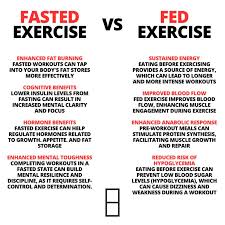
Fasted cardio: a gentle option for many
For walking, easy cycling, swimming, or other light cardio, exercising before breakfast is often perfectly fine-and sometimes preferable
When you do gentle cardio in a fasted state, your body tends to rely slightly more on stored fat for fuel. While this sounds impressive, it’s important to remember that burning more fat during a single workout doesn’t automatically translate into losing more body fat overall. Long-term fat loss still depends mostly on staying active, eating sensibly, and being consistent
Fasted cardio can work particularly well if you:
- Enjoy morning walks
- Prefer low-impact movement
- Feel uncomfortable exercising after eating
- Want a calm and steady start to the day
For many older adults, a morning walk before breakfast is safe, enjoyable, and excellent for heart health
However, if you’re planning more intense cardio-like fast cycling, long endurance sessions, or interval training, you may feel tired or sluggish without some fuel beforehand
Fasted weight training: where things can get more complicated
Strength training becomes increasingly important as we age. It helps maintain muscle, support joints, improve balance, and protect independence
Because of this, nutrition plays a greater role in strength workouts than in gentle cardio
Lifting weights on an empty stomach is not usually dangerous for healthy adults, but it can make workouts feel harder. Many people notice they feel weaker, tire faster, or struggle to complete their usual number of repetitions
Over time, this can limit progress, especially if your goal is to maintain or build muscle, which naturally becomes more challenging with age
Muscle needs both protein and energy to repair and grow. Training fasted doesn’t automatically lead to muscle loss, but it can slow muscle growth if daily nutrition and recovery aren’t strong
Many older adults feel noticeably better lifting weights after a small snack such as yoghurt, fruit, toast, or a protein shake. It doesn’t have to be a large meal-just enough to provide steady energy
Energy, hormones, and recovery as we age
Another reason fasted exercise produces mixed results is the recovery process. As we get older, our bodies often need more time to recover from physical stress, and sleep quality and overall energy become even more important
Too much fasted training, especially combined with eating too little overall, can lead to increased fatigue, soreness, or low mood. Some people also notice sleep problems or lingering aches
This doesn’t mean fasted exercise is harmful. It simply means it shouldn’t be forced. If fasted workouts leave you feeling dizzy, weak, irritable, or drained for the rest of the day, it may be a sign you need some fuel beforehand
Who might enjoy fasted exercise?
Fasted exercise may suit people who:
- Enjoy early morning routines
- Prefer lighter cardio sessions
- Feel comfortable exercising before eating
- Value simple, consistent habits
It may be less suitable for those who:
- Are focusing on strength or muscle maintenance
- Experience blood sugar issues
- Feel shaky or lightheaded when fasting
- Are recovering from illness or injury
There is no single correct approach-only what works best for your body and lifestyle
A balanced, real-world approach
Many older adults find that a flexible routine works best. For example, they might walk in the morning before breakfast but eat something before strength training or harder workouts
Simple tips include:
- Drink water before exercising
- Eat enough protein throughout the day
- Pay attention to fatigue and recovery
- Focus on enjoyment and consistency
Exercising on an empty stomach isn’t a miracle solution, but it isn’t harmful for most people either
For gentle cardio, fasted exercise can be comfortable, convenient, and effective. For strength training, most people, especially older adults, feel stronger and recover better when they eat some food beforehand
The best routine is one that feels good, supports recovery, fits your daily life, and helps you stay active long term. Your body has years of experience. Listening to how it responds to exercise is often the smartest fitness strategy of all



Leave a reply
You must be logged in to post a comment.