

Fibre layering: a gut-health trend that actually makes sense

If you’ve spent any time reading about health lately, you’ve probably noticed one word popping up again and again: fibre
Not glamorous. Not trendy in the protein-shake, super-supplement, bio-hacking sense. Just… fibre
But recently, a new approach called fibre layering has been gaining attention – and unlike many wellness fads, this one is refreshingly practical, gentle, and especially helpful as we get older
NMTBP unpacks it – without the jargon
So… what is fibre layering?
Fibre layering means eating a variety of fibre sources throughout the day, rather than relying on a single fibre source or supplement
Think of it like gardening. Your gut is the soil. Different plants (or fibres) feed different beneficial bacteria. The more variety you plant, the richer and healthier your soil becomes
So instead of eating:
👉 Bran cereal every morning
👉 Fibre supplement occasionally
👉 Same vegetables every week
Fibre layering encourages:
✔ Different fruits
✔ Different vegetables
✔ Whole grains
✔ Beans and pulses
✔ Nuts and seeds
Spread across your meals and snacks
Simple. But surprisingly powerful
Why fibre matters more as we age
Let’s be honest. Digestion changes as we age. It’s incredibly common to notice:
- Slower digestion
- Constipation
- Bloating
- Reduced energy
- Changes in appetite
- Higher cholesterol or blood sugar concerns
Here’s the key thing many people don’t realise: fibre isn’t just about “keeping regular.” That’s the old-school view
Fibre supports:
- Gut bacteria diversity
- Immune system health
- Heart health
- Blood sugar balance
- Inflammation control
- Even mood and brain health
In other words, fibre helps regulate multiple systems that become increasingly important later in life
Not all fibre is the sa
me
This is where fibre layering really shines
There are different fibre types, each of which feeds different gut bacteria and performs different roles
Soluble fibre – the soother
This dissolves in water and forms a gel-like texture in the gut. It helps lower cholesterol and stabilise blood sugar
You’ll find it in:
- Oats
- Apples
- Barley
- Lentils
- Carrots
Insoluble fibre – the mover
This adds bulk to stool and helps keep things moving through your digestive tract
You’ll find it in:
- Whole grains
- Nuts
- Seeds
- Vegetable skins
- Leafy greens
Resistant starch – the hidden hero
This type feeds beneficial gut bacteria directly
You’ll find it in:
- Slightly green bananas
- Cooked and cooled potatoes or rice
- Beans
- Oats
Fibre layering means mixing these types regularly
What fibre 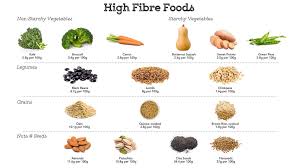 layering looks like in real life
Let’s forget comp
licated meal plans. Here’s an easy day that quietly layers fibre:
Breakfast
Porridge oats topped
with berries, chopped walnuts, and a spoonful of ground flaxseed
Lunch
Wholegrain toast with hummus, tomato, and spinach. Maybe a bowl of vegetable soup with lentils
Snack
An apple with a handful of almonds
Dinner
Grilled fish or chicken with roasted mixed vegetables and quinoa or brown rice
Notice something? No extremes. No strange ingredients. Just variety
The gentle rule: go slow
This is particularly important as we age
Suddenly doubling fibre intake can cause bloating or discomfort. Fibre works best when introduced gradually
A good rule of thumb:
👉 Add one new fibre-rich food every few days
👉 Drink more water (fibre needs fluid to work properly)
👉 Listen to your body
Your gut bacteria need time to adjust – usually a few weeks
Why fibre layering beats supplements alone
Fibre powders and tablets can help in specific situations. But they usually provide one type of fibre
Real foods provide:
- Multiple fibre types
- Vitamins and minerals
- Antioxidants
- Healthy fats
- Plant compounds that support gut bacteria
Think of supplements as backup singers. Helpful – but not the full choir
Unexpected benefits you may notice
Many people try fibre layering for digestion, but report other pleasant surprises:
✔ More stable energy throughout the day
✔ Feeling fuller without dieting
✔ Better cholesterol readings
✔ Improved blood sugar control
✔ Reduced cravings
✔ Sometimes even better sleep
None of this happens overnight. Fibre layering is subtle. But consistent
A simple starting challenge
If you like practical goals, try this:
Aim for 30 different plant foods each week
That includes:
- Fruits
- Vegetables
- Beans
- Whole grains
- Nuts
- Seeds
- Herbs and spices
It sounds like a lot – but herbs, spices, and mixed dishes count too. Most people are surprised by how quickly it adds up
The bigger picture
Fibre layering fits beautifully into a wider shift in healthy ageing. It’s not about restriction, punishment, or chasing youth
It’s about supporting your body so it can support you – staying active, independent, and comfortable in daily life
And unlike many health trends, fibre layering is:
- Affordable
- Flexible
- Evidence-based
- Easy to adapt to any cuisine or lifestyle
The takeaway
If there’s one nutrition habit worth revisiting after 55, it might just be this:
👉 Eat more plants
👉 Eat more variety
👉 Introduce them gradually
👉 Stay hydrated
That’s fibre layering in its simplest form
No fads. No extremes. Just steady, nourishing change
And sometimes, those are the habits that last the longest – and work the best


Leave a reply
You must be logged in to post a comment.