

Strong feet, strong future: why foot care matters as we age
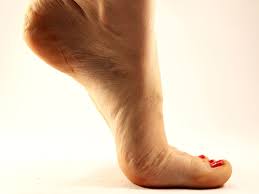
As we get older, many of us prioritise heart health, brain health, or joint health — but overlook one of the most important foundations of wellbeing: our feet
Your feet carry you through thousands of steps per day, support your balance, and keep you active and independent. Yet, from your mid-50s onward, natural changes in skin, circulation, muscle strength and posture mean your feet need more attention than ever
The Royal College of Podiatry (RCPod) has been clear about this. Their recent Falls Prevention Policy highlights that good foot health is a key factor in preventing falls — one of the biggest health risks for older adults. Strong, pain-free feet aren’t just a comfort issue; they’re central to mobility, confidence and independence
This post covers:
✔ Why foot health matters more with age
✔ Key steps to care for your feet
✔ Simple exercises to keep them strong and flexible
Let’s take it step by step
Why Foot Health Matters More as You Get Older
Natural ageing changes
With age, the fatty padding on the soles thins, skin becomes drier, and joints may stiffen. Conditions such as bunions, clawed toes, swelling and reduced circulation become more common
Mobility depends on your feet
The RCPod stresses that foot pain is a significant cause of reduced walking, reduced physical activity and loss of independence in later life. When your feet hurt, you move less — and everything else declines from there
Fall prevention
The RCPod’s 2025 Falls Prevention Policy shows that foot pain, weak foot muscles, and poor footwear significantly increase the risk of falls. Podiatrists play a vital role in assessing risk, improving balance, and helping older adults stay steady on their feet
Chronic conditions complicate foot health
Diabetes, arthritis, and vascular issues become more common with age. Early foot care helps prevent complications, infections or long-term problems
Essential foot-care habits
Check your feet regularly
Look for:
- Changes in colour
- Swelling
- Corns or calluses
- Cracks, dryness or thick skin
- Nail changes
- Any new pain
Early signs are easier to treat
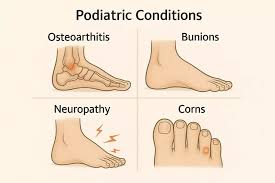 Moisturise daily
Ageing skin loses natural oils. Moisturise the tops and soles of your feet – but avoid the spaces between the toes to prevent fungal infections.
Keep nails trimmed safely
Cut straight across (not down the sides) to avoid ingrown nails. If vision, mobility or thick nails make this difficult, a podiatrist can help
Choose supportive footwear
RCPod guidance emphasises shoes that are:
- Wide in the toe box
- Secure (laces, straps, velcro)
- Low-heeled
- Cushioned and supportive
- Not overly worn
The right shoes can dramatically reduce pain and improve stability
Stay active
Movement helps circulation, maintains muscle strength and supports joint health. Even short daily walks matter
See a podiatrist when needed
Pain, deformities, balance issues or diabetes are all reasons to get a professional check. Early care prevents long-term problems
Simple foot exercises to improve strength, flexibility & balance
Check out this video for a range of exervises you can do to maintaing your foot health
Don’t wait until it hurts
Healthy, strong feet help you stay active, social and independent — the pillars of healthy ageing. The Royal College of Podiatry makes it clear that good foot care isn’t cosmetic; it’s preventative, protective and essential
Start today: check your feet, care for them, keep them moving — and they’ll keep you moving, too



Leave a reply
You must be logged in to post a comment.